Whitening With Sensitive Teeth
Why whitening can make teeth sensitive, what lowers the risk, and when to stop and see a dentist.

Why Whitening Can Cause Sensitivity
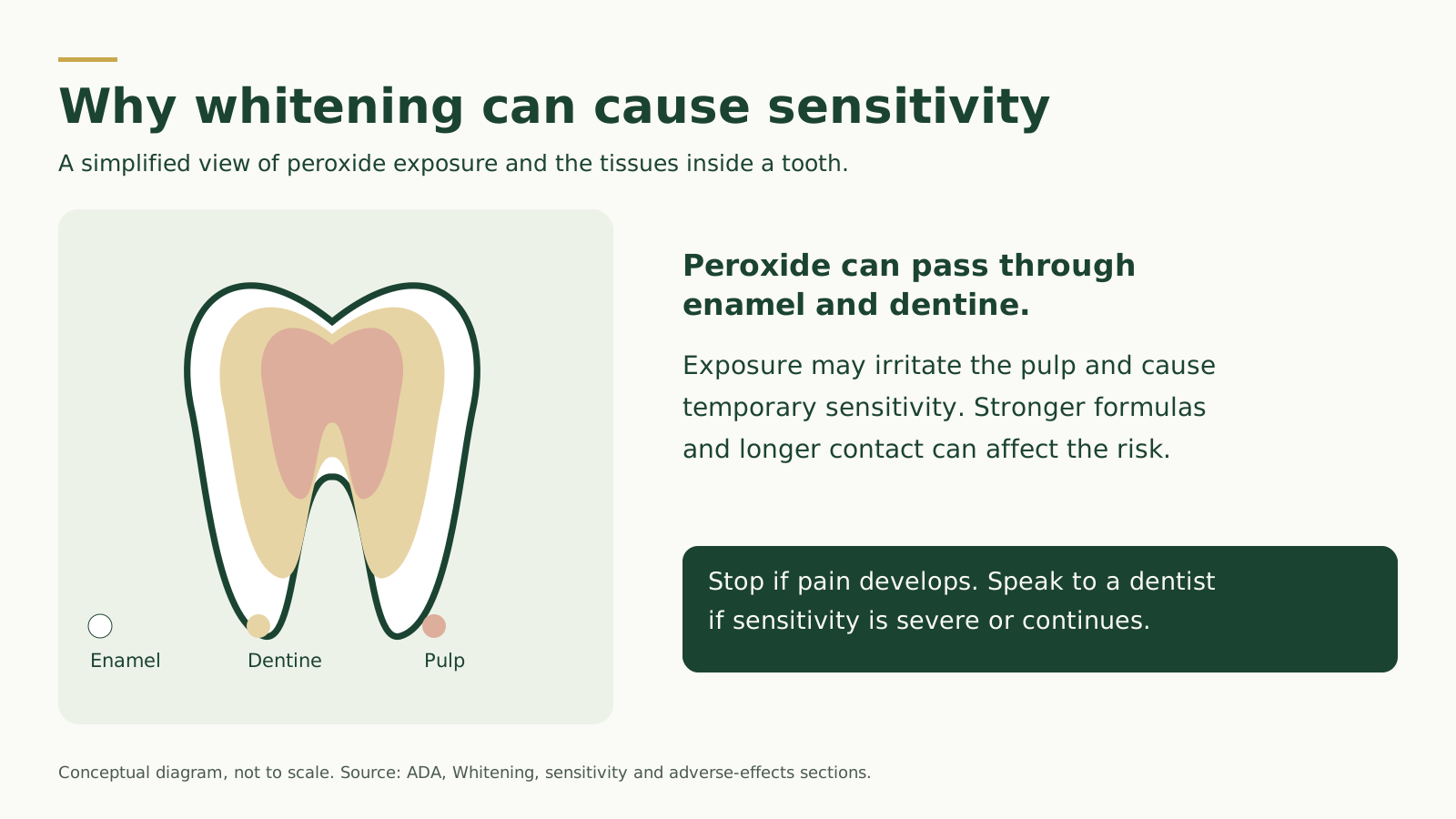
The American Dental Association says hydrogen peroxide and carbamide peroxide readily pass into the tooth, and that temporary sensitivity, possibly from inflammation of the pulp, is linked with all forms of bleaching. Mild to moderate sensitivity can affect up to two-thirds of people early in treatment. With strips or trays it may start two to three days in, and it usually settles by the fourth day after treatment ends.
A 2018 Cochrane review of home whitening found sensitivity and mouth irritation were the most common side effects, more so with stronger products, but mild and temporary.
What Lowers the Risk
A lower strength
The ADA says sensitivity is more common with higher concentrations. In the UK and EU, products sold to the public may contain no more than 0.1% hydrogen peroxide, so most kits there use PAP instead (GDC). SmilePro says its gel is formulated to prevent sensitivity, and advises checking with a dentist first if your teeth are already sensitive. Good Housekeeping UK named SmilePro's kit its best whitening kit for sensitive teeth (July 2026).
Shorter contact time
The ADA lists contact time, and the intensity and duration of light use, among the things that affect sensitivity. Use the product's own session time and do not leave gel or strips on for longer.
A desensitising toothpaste
The Oral Health Foundation suggests toothpastes containing potassium nitrate, potassium citrate or stannous fluoride for sensitive teeth. The ADA says applying potassium nitrate and fluoride gel before whitening has been studied, but more research is needed to confirm it helps.
Managing Sensitivity
- Have your teeth and gums checked before you start. The NHS says a dentist should check they are healthy first.
- healthdirect says whitening is not recommended if you already have sensitive teeth, so talk to your dentist before you begin.
- Follow the product's instructions, and do not use more than one whitening product at a time.
- Use a toothpaste for sensitive teeth (Oral Health Foundation).
- Stop, and see your dental professional, if sensitivity lasts more than 1 or 2 days (healthdirect).